Gold milling is not one decision. It is a sequence of linked choices about liberation, leaching and recovery, and each guide in this knowledge centre maps to one of those choices. The pages are written for owners and project developers who need to move from a drill core to a defensible flowsheet.
What this knowledge centre covers
This hub groups the guides by the decision they inform, not by equipment catalogue. If you are deciding whether to mill or heap leach, start with the ore characterisation and leaching pages. If you are sizing a circuit, move to the milling and CIP design guides.
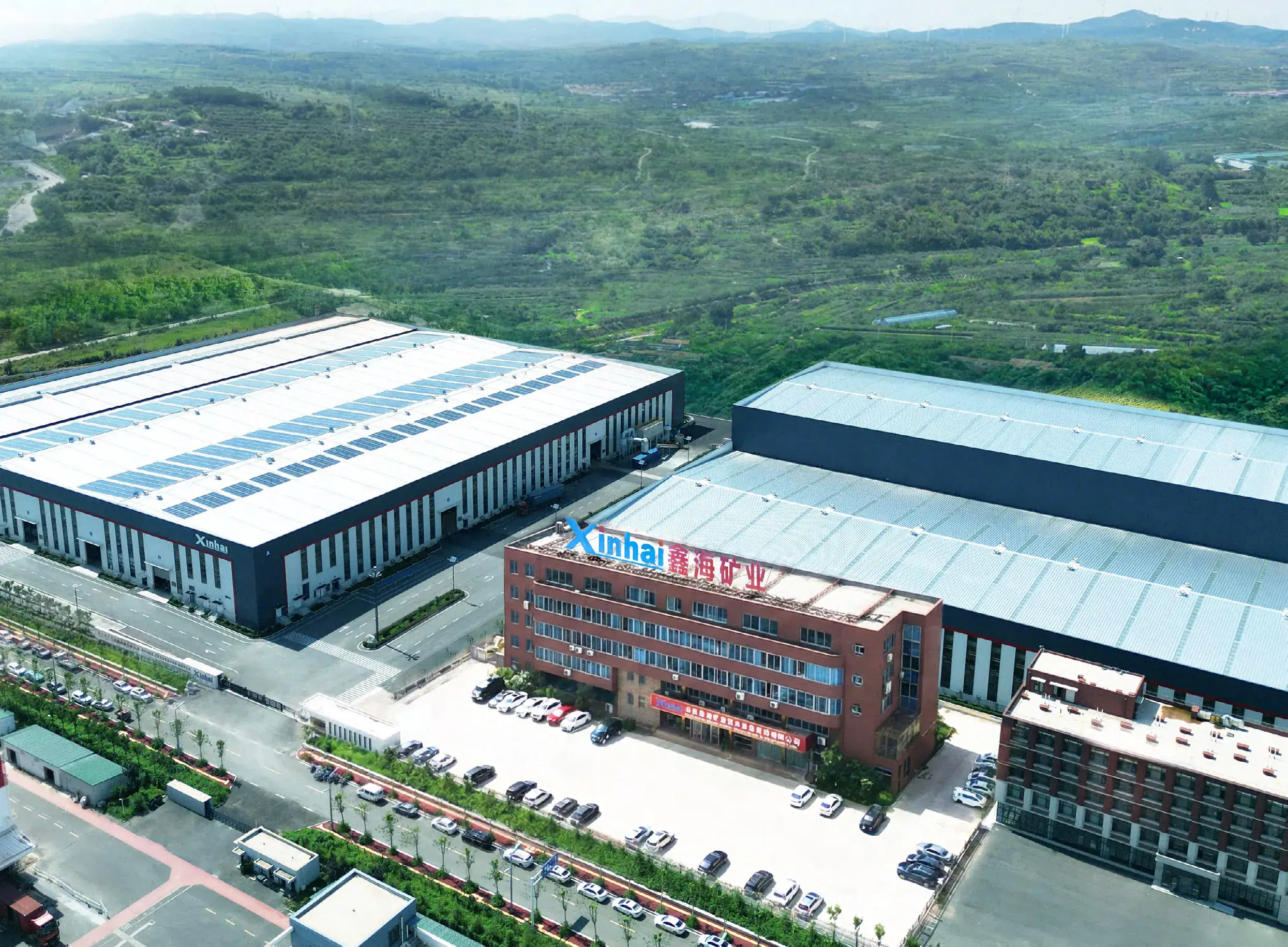
Xinhai reports 2,500+ mines served, 600+ EPC+M+O projects, 100+ countries and 70+ ore types. Its three manufacturing bases cover about 110,000 m², produce 1,000+ equipment types and support plants up to 50,000 t/d. Those figures are the company's published scale, and they set the practical range of the guides: from a 500 t/d gravity plant to a 15,000 t/d gold EPC.
Two starting points matter most. How to test gold ore before you buy a plant explains sampling, fire assay, mineralogy, GRG, cyanidation, flotation and Bond work index. How is gold extracted from ore? follows the full route from mining to refining.
Ore characterisation comes first
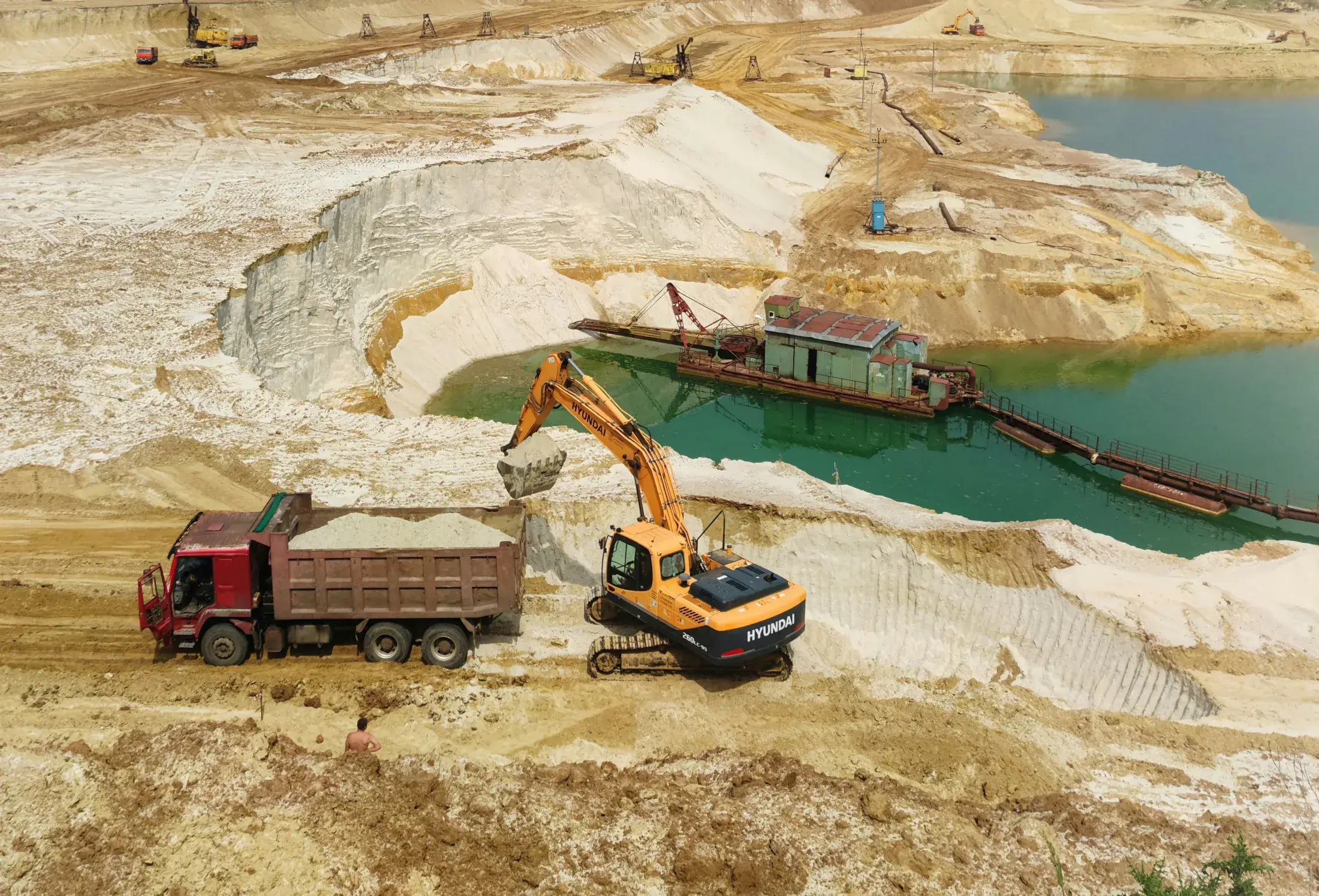
Gold recovery is a function of how the gold is locked in the rock. Free-milling oxide ores can often go straight to gravity or cyanidation, while sulphide ores may need flotation or oxidation before leaching. That is why testwork precedes design on every serious project.
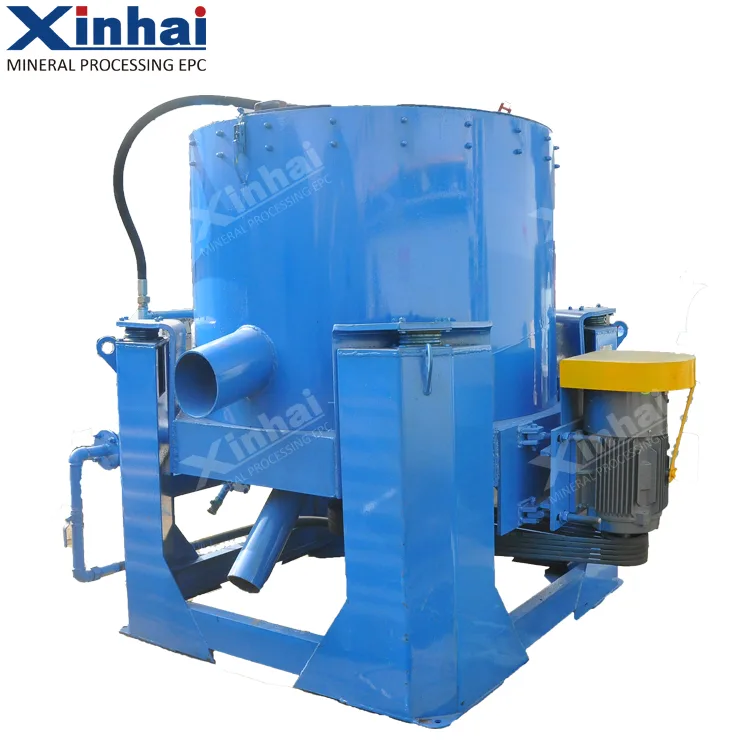
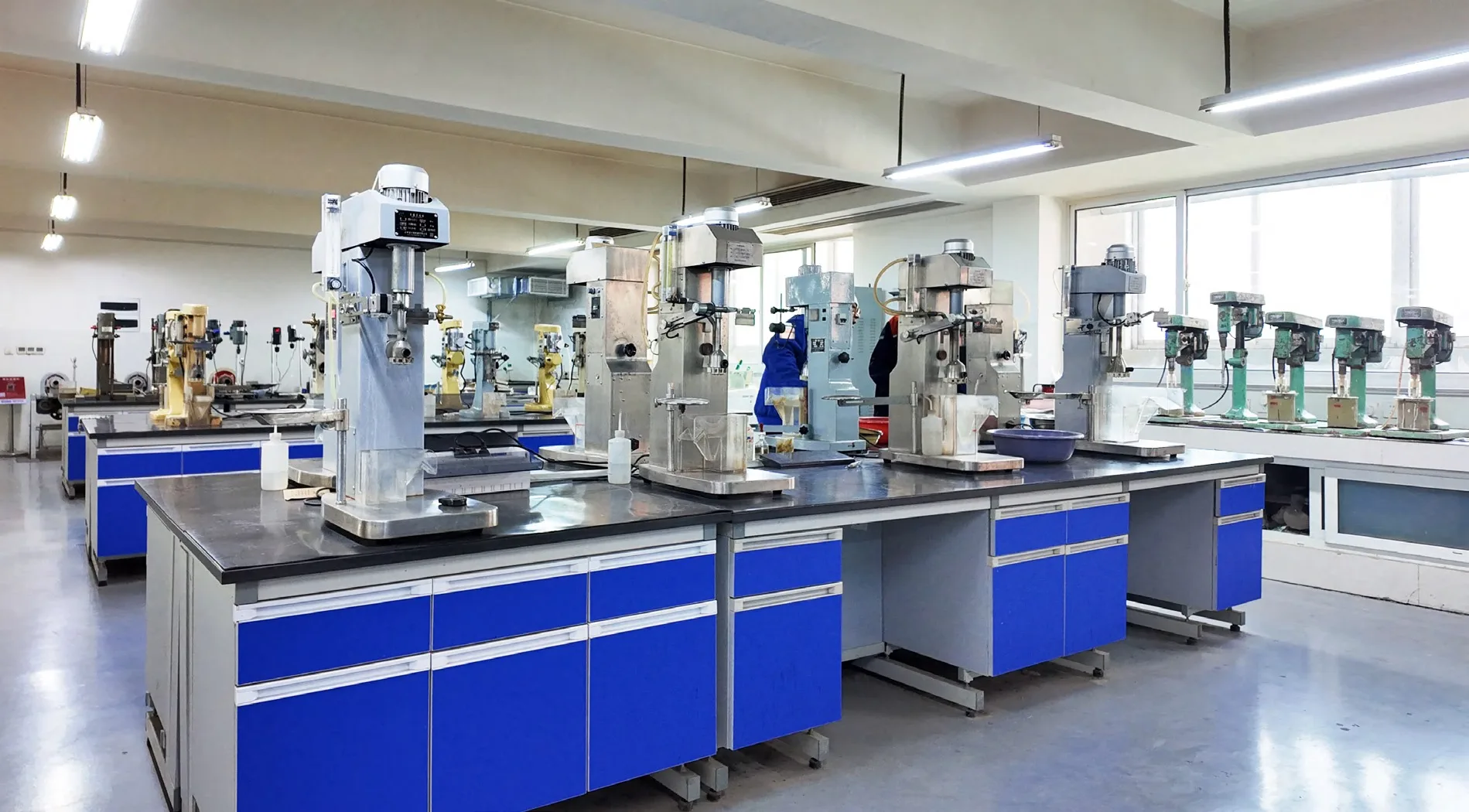
A standard testwork sequence answers one flowsheet question at a time. The testing guide walks through sampling, fire assay, mineralogy, GRG, cyanidation, flotation and Bond work index. Fire assay gives total gold grade. GRG measures gravity-recoverable gold. Bond work index is the comminution energy input, expressed in kWh/t, that feeds mill sizing. A P80 of 75 µm means that 80% of the sample passes a 75 µm screen, and that target directly sets grinding power and media selection.
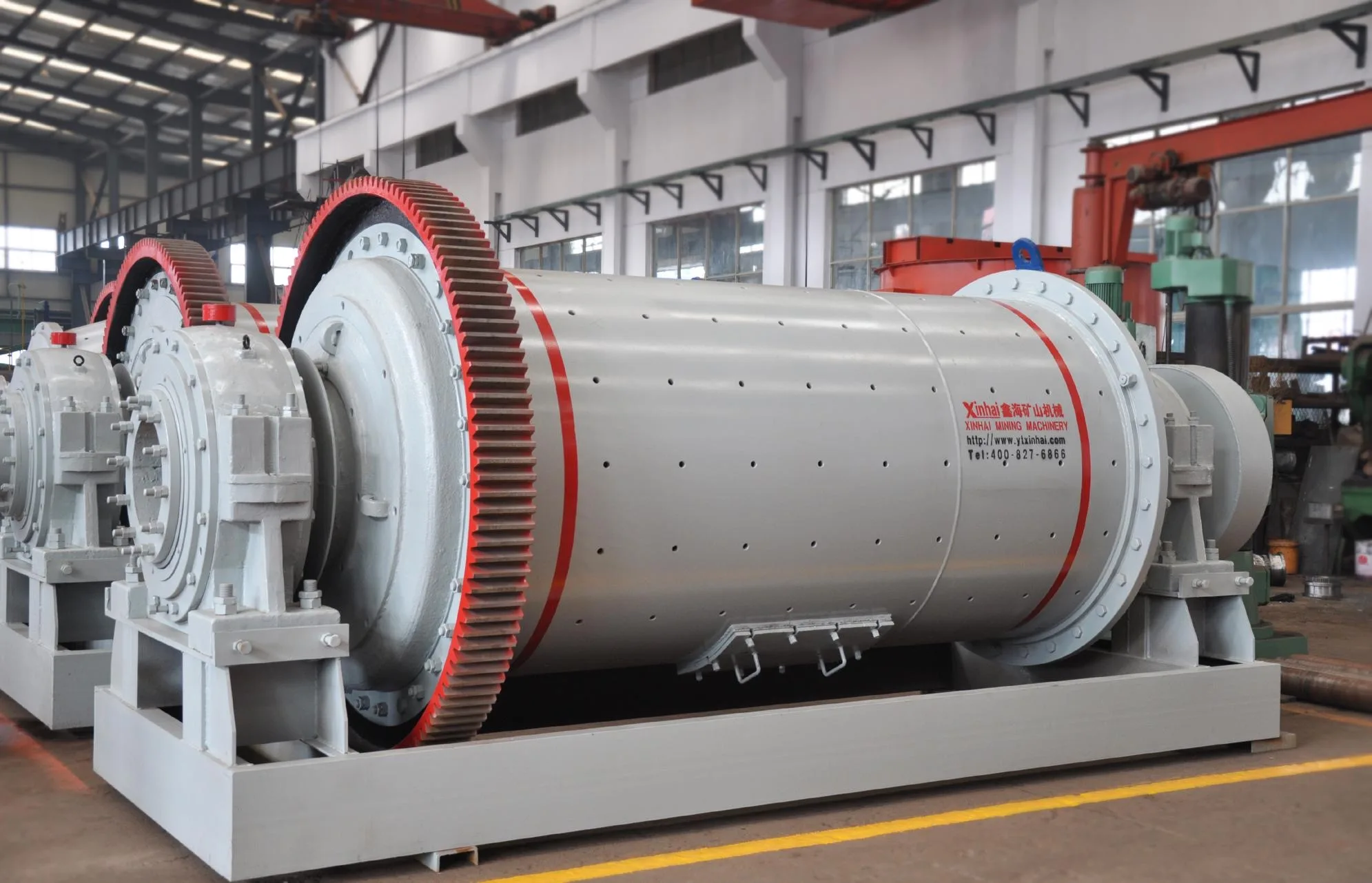
Ore milling basics and gold ore milling for oxide and sulphide ores then connect liberation size to the crushing and grinding circuit.
Leaching choices: CIL, CIP, heap and alternatives
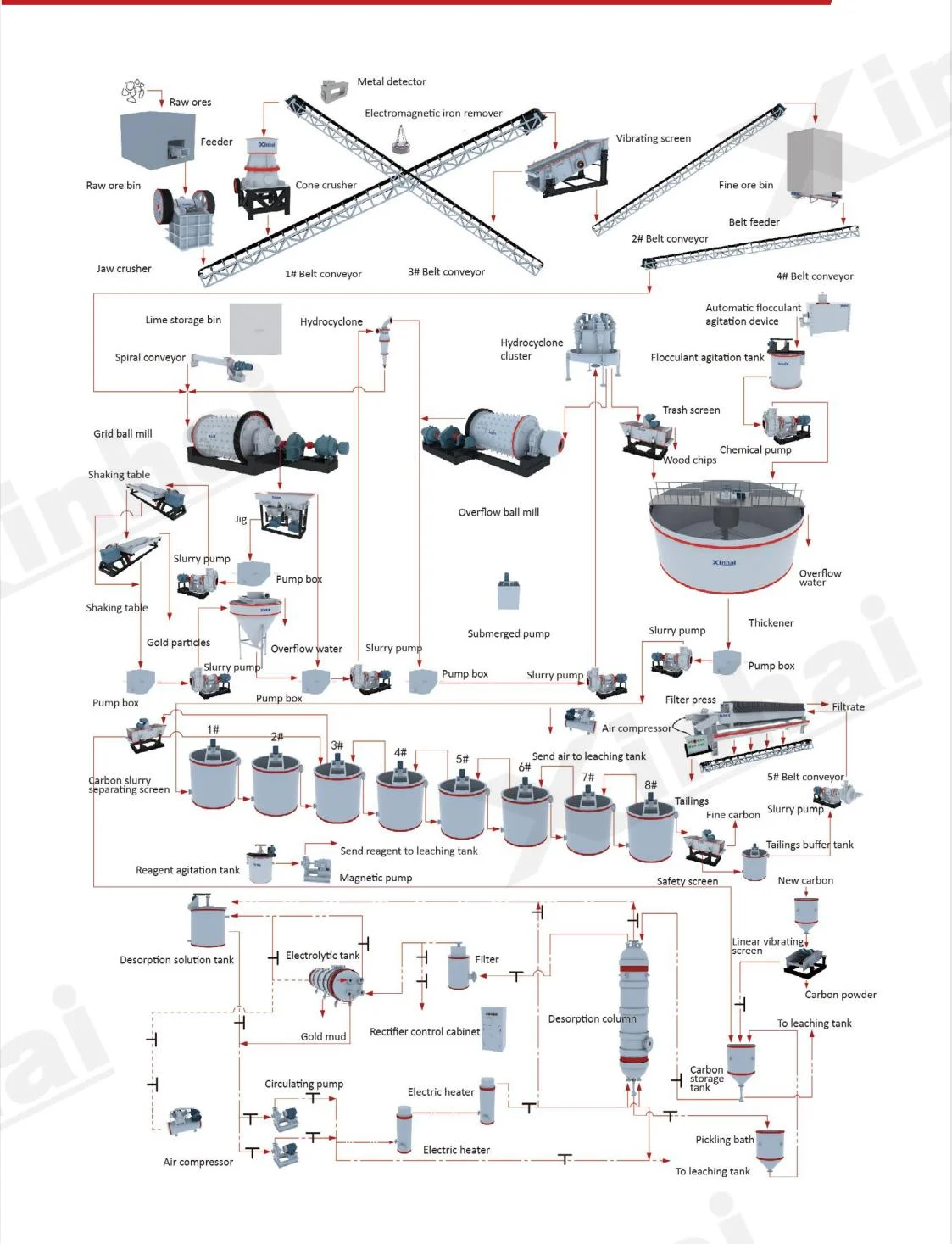
Once gold is liberated, the leaching route determines how much capital you spend and how fine you must grind. Carbon-in-leach and carbon-in-pulp differ in where adsorption happens, and the wrong choice adds carbon handling and residence time. Gold CIL vs CIP sets out the selection logic, while CIP plant design and equipment shows the circuit components.
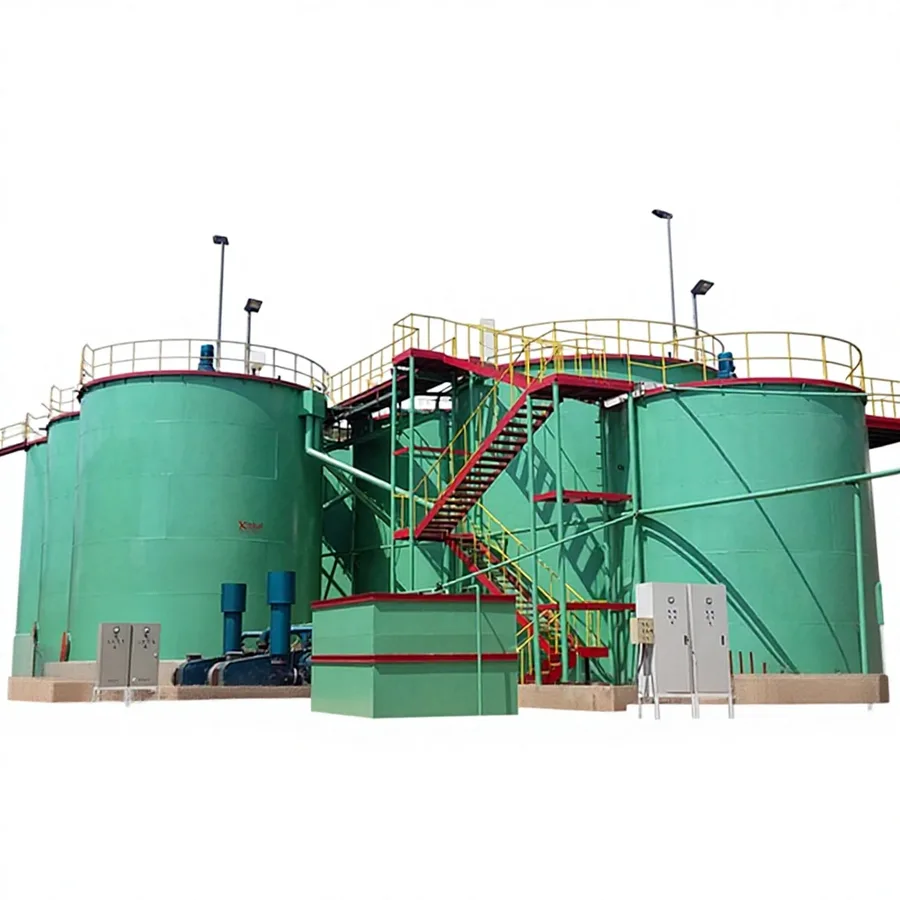
For permeable oxide ores that are too costly to grind and tank leach, heap leaching uses a lined pad, irrigation and carbon adsorption. Gold leaching: cyanidation, heap leach and alternatives compares the routes, including the cyanide handling boundaries that every design must respect. Xinhai states CIL/CIP recovery can reach 99% on suitable ores, but that is a testwork-dependent upper bound, never a promise. Cyanide is toxic; its storage and use are governed by the operation's compliance and safety procedure, not by a catalogue selection.
Gold recovery methods compared then covers how gravity, flotation and cyanidation work in combination.
Building the plant: delivery and equipment envelope
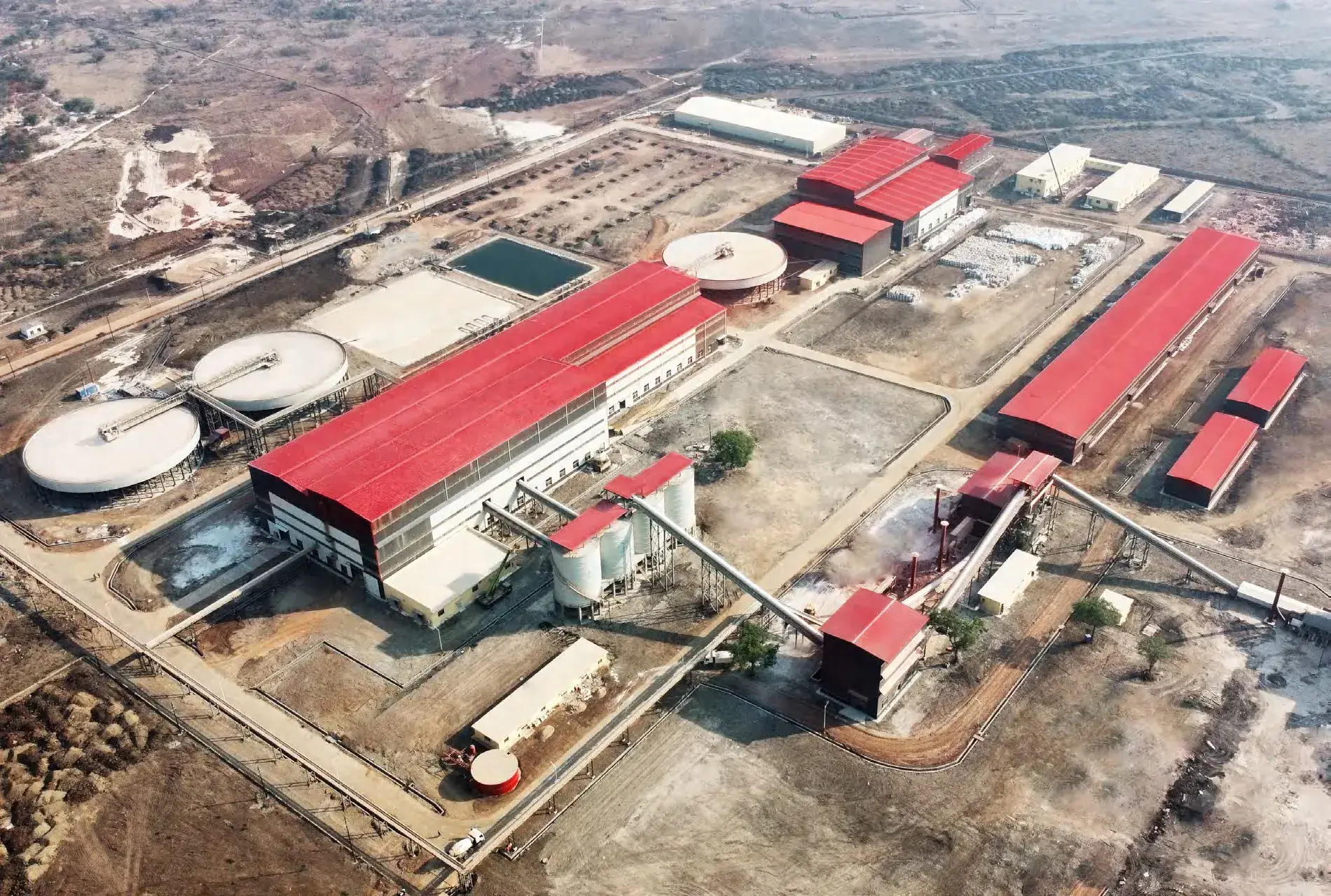
Once the flowsheet is fixed, delivery becomes an engineering and procurement problem. How to build a gold processing plant breaks the project into six stages and explains why a single accountable partner reduces interface risk. Modular gold processing plants pre-engineer crushing, grinding and adsorption modules to cut lead time and de-risk site work. For smaller deposits and pilots, small-scale gold processing compact routes are often cheaper to permit and move.
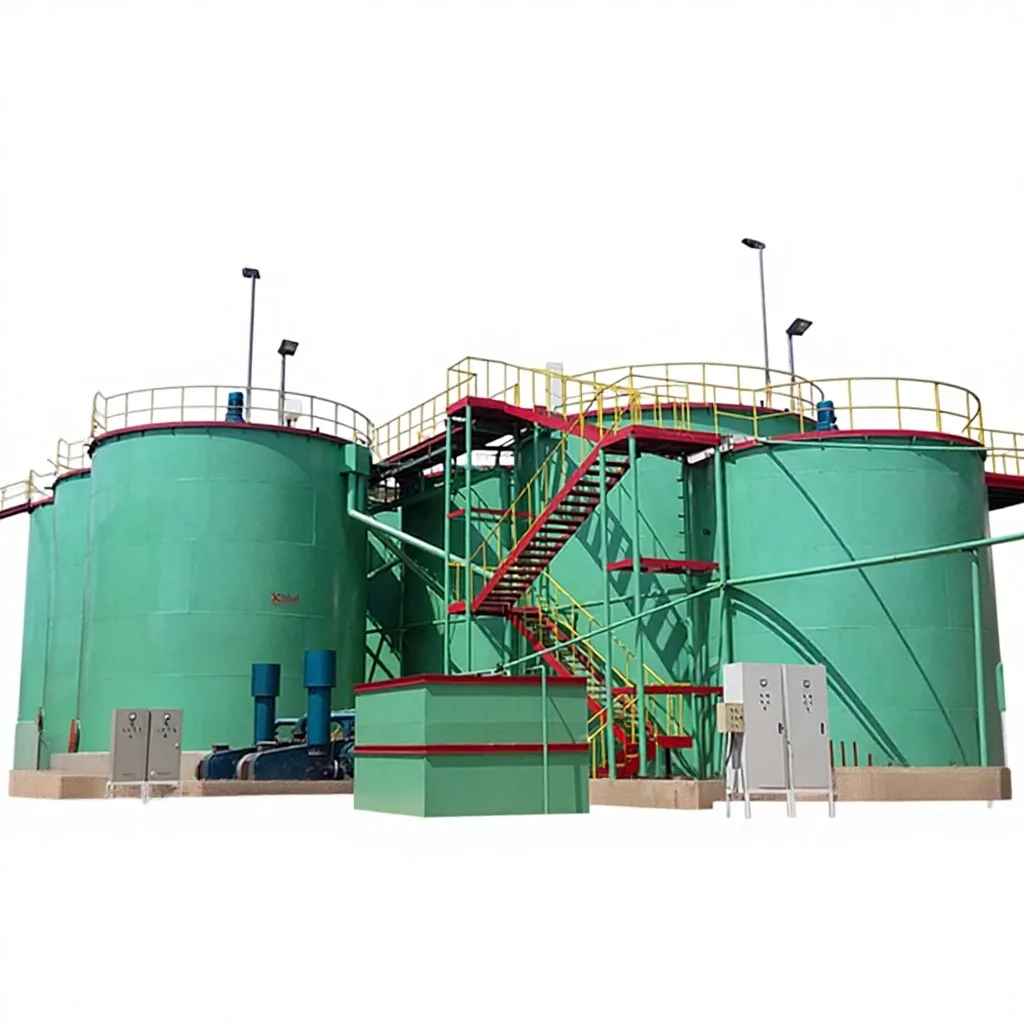
Xinhai's equipment envelope includes ball mills up to 7 m in diameter, flotation cells with a single-tank volume of 320 m³, leaching tanks up to 20 m by 20 m, and thickeners up to 100 m in diameter. CNAS-accredited lab capacity runs about 5,000 elemental analyses per month and roughly 200 beneficiation tests per year. These numbers are self-reported; they define the upper size range in which the company works.
Design standards matter at this stage. The design institute holds a Class B metallurgical qualification in China, and project documents can follow JORC, NI 43-101 or VALMIN formats where the jurisdiction calls for them. A Class B Chinese qualification is not presented as valid in other jurisdictions.
All guides in one place
- Heap leaching gold turns low-grade ore into payable gold using a lined pad, irrigation, and carbon adsorption, and suits permeable oxide ores that would be too costly to grind and tank leach.
- How is gold extracted from ore? follows the route from ore to refined gold: mining, comminution, gravity, flotation, cyanidation and refining.
- How to test gold ore before you buy a plant explains sampling, fire assay, mineralogy, GRG, cyanidation, flotation, Bond work index and pilot testing, each answering one flowsheet question.
- How gold milling works covers crushing, grinding and classification, and why testwork comes before design.
- Gold CIL vs CIP compares carbon-in-leach and carbon-in-pulp and explains how to choose.
- Gold recovery methods compared examines gravity, flotation and cyanidation and how to combine them for your ore.
- How to build a gold processing plant covers the six stages of a gold plant project and why one partner helps.
- Gold ore milling: oxide and sulphide ores explains how crushing, grinding and classification liberate gold from oxide and sulphide ores.
- Gold leaching: cyanidation, heap leach and alternatives covers the main gold leaching routes and how to choose one for your ore.
- Modular gold processing plants are pre-engineered, containerised gold plants that cut lead time and de-risk delivery.
- Gold CIP plant design and equipment describes the carbon-in-pulp circuit, its equipment and how a CIP plant is engineered.
- Small-scale gold processing covers compact, cost-effective gold recovery routes for small deposits and pilots.
- Gold wash plants for sale: what to look for discusses recovery route, capacity and why testwork matters before you buy.