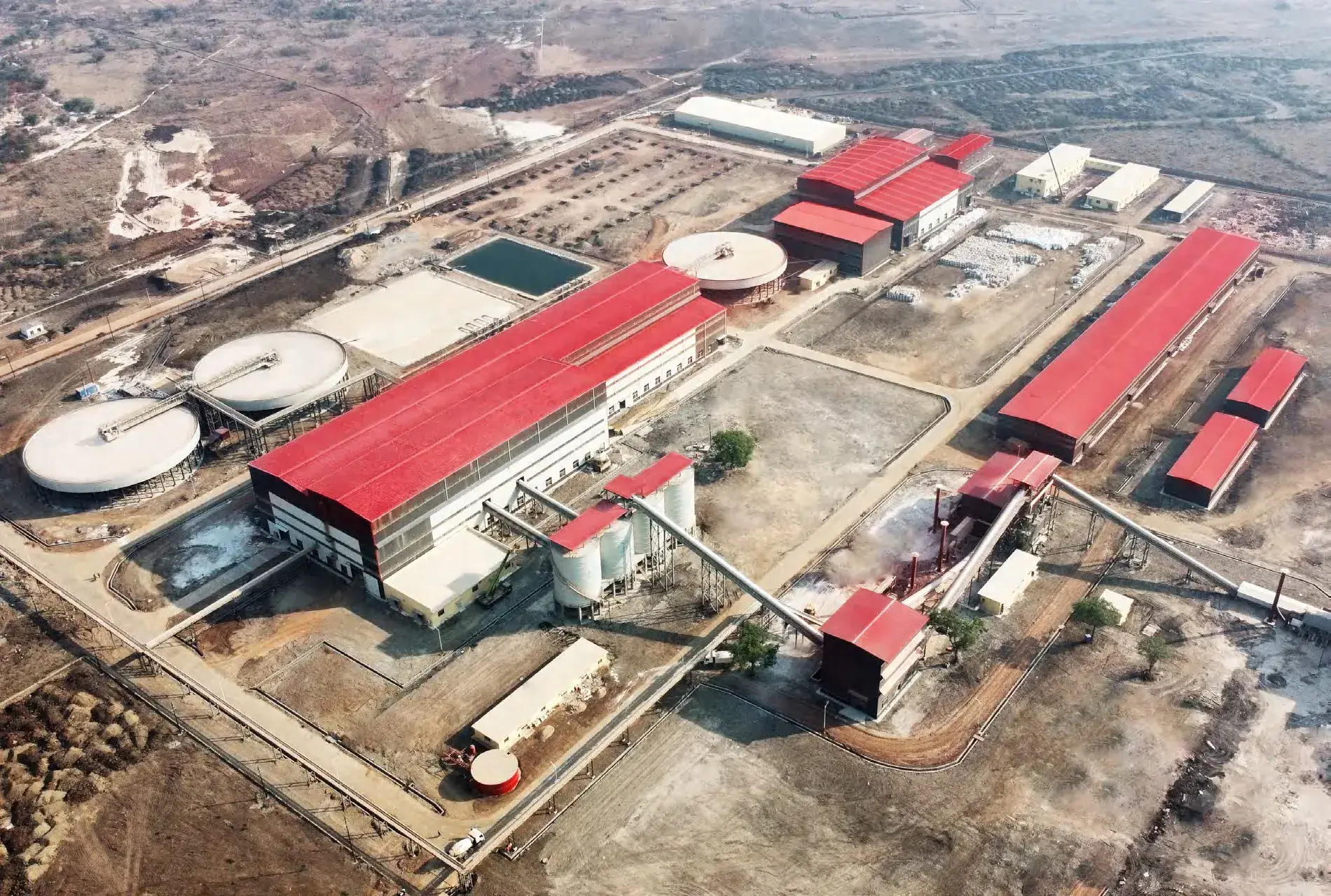
What a gold processing plant is
A gold processing plant is an industrial facility that upgrades run-of-mine ore into gold doré or a saleable concentrate. The flowsheet usually includes crushing, grinding, classification, recovery and tailings management. The exact arrangement depends on ore mineralogy, liberation size and project economics. According to the USGS Mineral Commodity Summaries 2025, worldwide gold mine production was an estimated 3,300 tons in 2024, up from 3,250 tons in 2023. China accounted for around 10 per cent of global production in 2025 according to the World Gold Council. These figures set the scale: a single plant may treat 500 t/d or 15,000 t/d, but the core logic stays the same.
Ore testwork before the flowsheet
You cannot design a reliable gold plant from a report alone. Ore testwork fixes the route. Xinhai's CNAS-accredited laboratory runs about 5,000 element analyses per month and about 200 ore test programmes per year, including Bond work index tests. These tests measure ore hardness, gravity recovery, flotation response and leach kinetics. A common grind target is P80 of 75 µm, which means 80% of the mill product passes a 75 µm screen. Without this stage the plant either overgrinds or under-recovers.
Crushing, grinding and classification
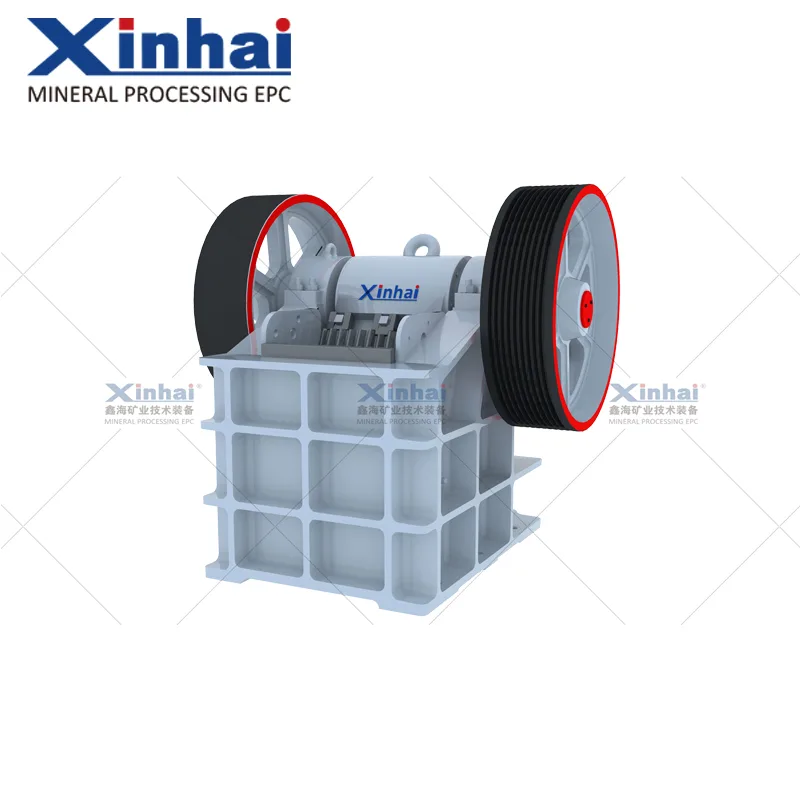
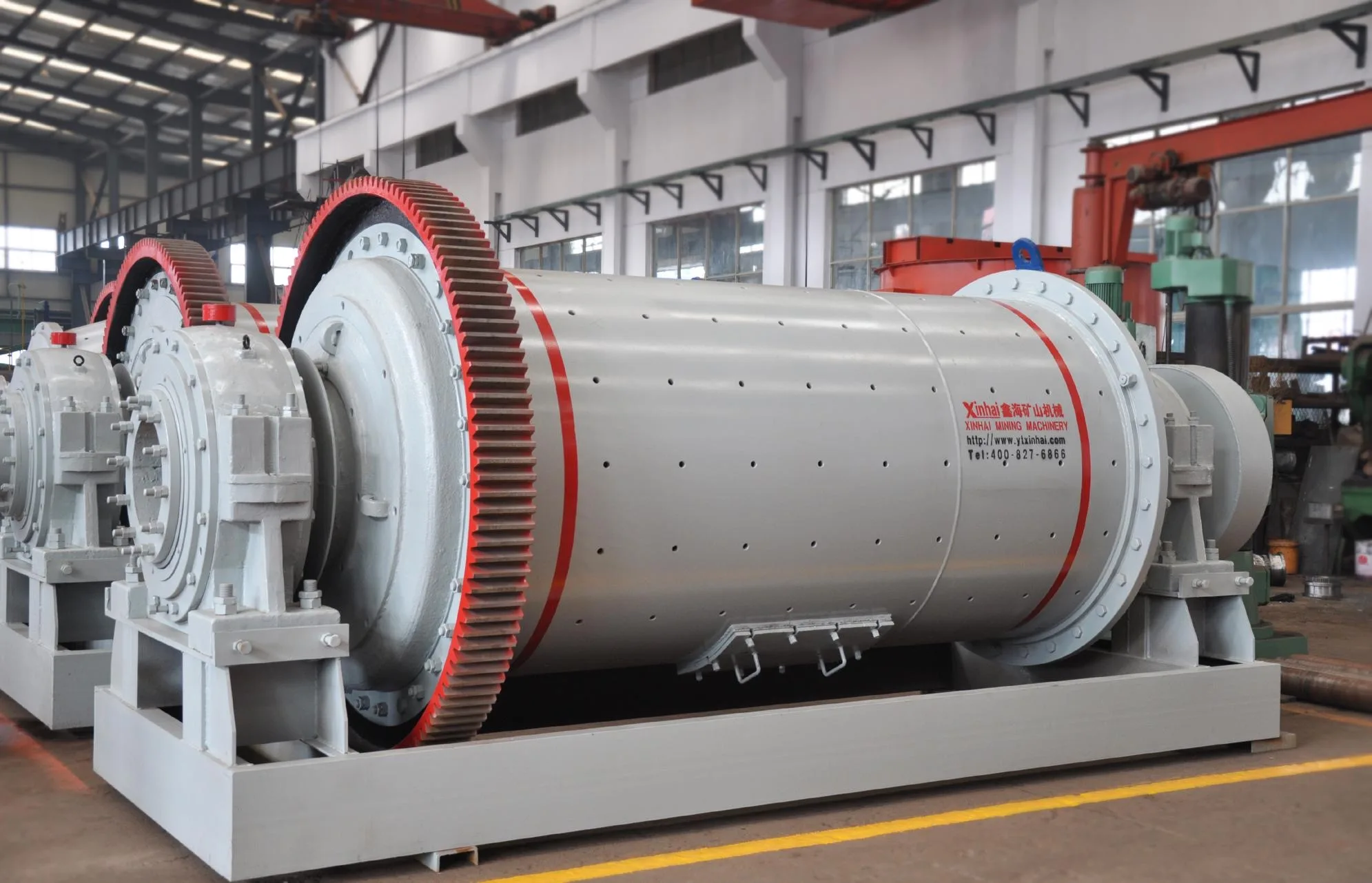
Run-of-mine ore first passes through jaw and cone crushers to reach mill feed size. The grinding circuit then uses ball mills up to 7 m in diameter, with hydrocyclones for classification. That combination controls the P80 and prepares the ore for recovery. Xinhai reports manufacturing more than 1,000 equipment types across about 110,000 m² of production space, supporting plant capacities up to 50,000 t/d. You can compare plant scales at 500 t/d, 1,000 t/d, and 3,000 t/d. More on comminution choices is in ore milling basics.
Gold recovery circuits: gravity, flotation, leaching
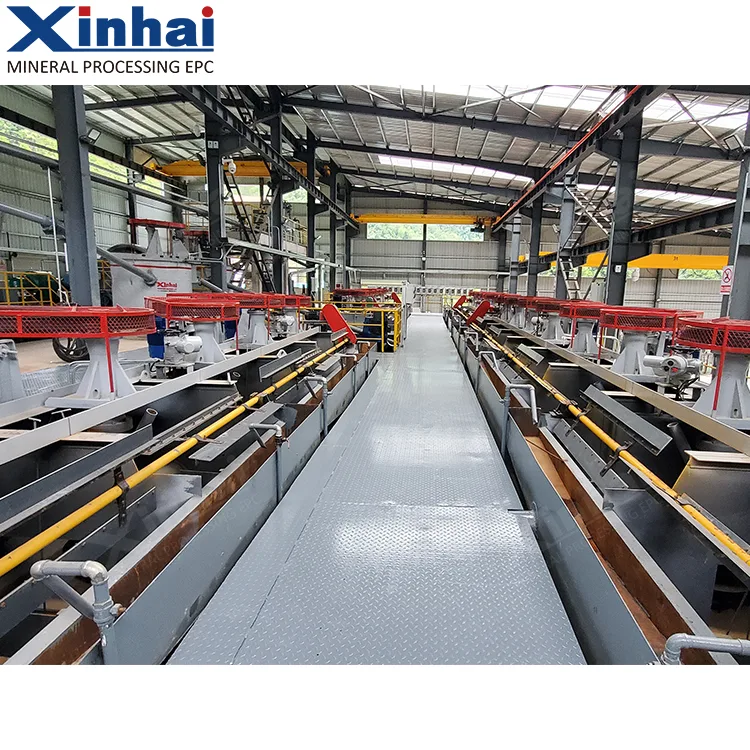
Three main recovery routes exist: gravity concentration, flotation, and cyanide leaching. Gravity often captures coarse free gold early; flotation is used for sulphide-associated gold; CIL or CIP is used for fine or refractory ores after oxidation if needed. CIL (carbon-in-leach) and CIP (carbon-in-pulp) refer to two cyanidation arrangements: in CIL leaching and adsorption happen in the same tanks, while in CIP adsorption follows leaching in separate tanks. On suitable ores Xinhai states CIL/CIP recovery can reach 99%, but that figure is not a guarantee. Compare the two routes in gold CIL vs CIP. For flotation-only plants, see gold flotation plant. For full leaching scope, see gold CIL plant.
Cyanide is toxic, so any leaching design must follow the operation's permits and safety procedures. The International Cyanide Management Code is a voluntary industry programme covering production, transport, storage and use.
Process water and tailings
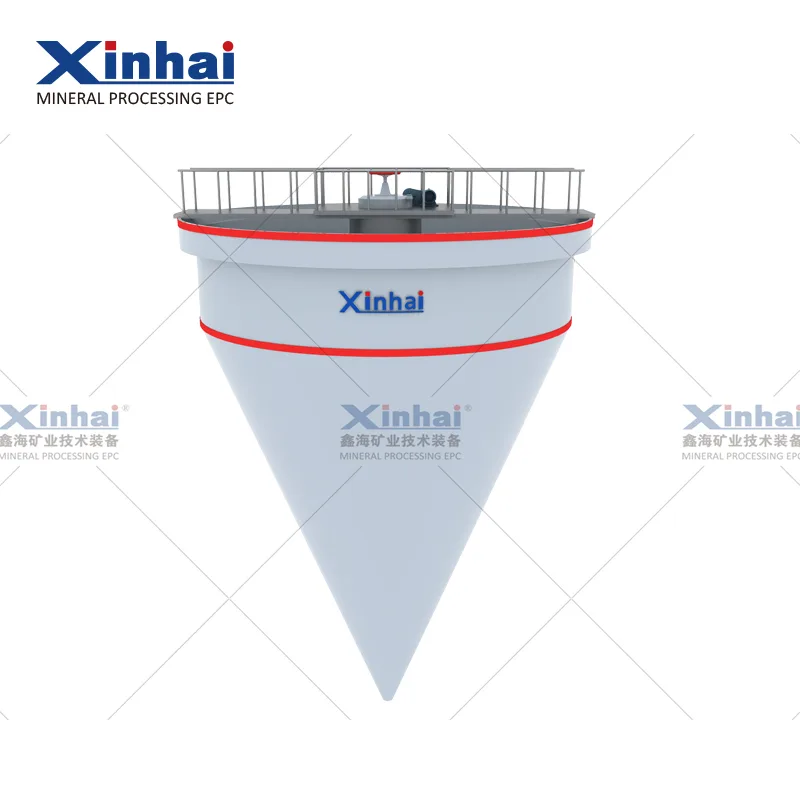
Tailings thickening returns water to the process and reduces the volume sent to the tailings storage facility. Xinhai lists thickeners up to 100 m diameter for water recovery and tailings disposal. Recovered water returns to the process, which cuts raw water demand. The tailings system must be designed with the same care as the recovery circuit, because a thickener failure or poor beach slope can stop the whole plant. Design work covers tailings transport, dam engineering, seepage control, and return water systems.
Engineering standards and project delivery
Xinhai's mine design institute holds a Class B metallurgical design qualification in China. The design group has six professional departments — mining, beneficiation, civil, electrical, automation, and steel structure — and more than 100 designers. Capacity references range from 10 t/d to 50,000 t/d. Design documentation can be prepared to support JORC, NI 43-101, or VALMIN reporting standards. The company also reports a Class-A qualification for general contracting of mine construction projects under China's system. This is a domestic qualification, not a licence for other jurisdictions.
- Pre-feasibility study: initial economic assessment and route screening.
- Feasibility study: process selection, infrastructure, capital estimate.
- FEED: process flow diagrams, layout, long-lead equipment list.
- Detailed engineering: construction drawings, material take-offs, IFC package.
Published gold project references
Xinhai reports several published gold project references. One is a 15,000 t/d gold processing EPC in Guinea. Another is gold mining and processing contracting and operation in Ghana. A third is a 4,000 t/d gold carbon-in-pulp plant in Kyrgyzstan. You can read the regional pages for Ghana gold plant and Kyrgyzstan gold plant. For smaller installations, review small-scale gold plant options.
Quotable checklist for locking a gold plant flowsheet
A repeatable sequence links ore characterisation to detailed engineering. The EPC+M+O model follows this order: ore testwork, process selection, engineering design, procurement, construction, mine construction management, and operation. The same sequence applies from 10 t/d pilot-scale plants to 50,000 t/d installations.
- Characterise the ore. Send representative samples to a laboratory. Xinhai's CNAS-accredited laboratory runs about 5,000 element analyses per month and about 200 ore test programmes per year.
- Measure comminution hardness. Bond work index tests define the energy required to grind the ore. A common liberation target is P80 of 75 µm, meaning 80% of the mill product passes a 75 µm screen.
- Run recovery tests. Compare gravity, flotation, and CIL/CIP cyanidation on the same sample. On suitable ores CIL/CIP recovery can reach 99%, but that figure is not a guarantee and depends on test conditions.
- Fix the equipment set. Ball mills up to 7 m in diameter, flotation cells of 320 m³, leach tanks of 20 m by 20 m, and thickeners up to 100 m in diameter are standard large-scale units. Smaller plants use fewer parallel lines, not different physical laws.
- Issue process flow diagrams and layout. FEED deliverables include overall plot plan, process flow diagrams, preliminary P&IDs, CAPEX estimate, and a long-lead equipment list. Detailed engineering then produces IFC construction drawings and material take-offs.
This checklist is not a guarantee of recovery or schedule. It is a controls document: each step creates the input for the next. A plant that skips step two, for example, cannot select the correct mill; a plant that skips step three cannot defend its recovery route. The final flowsheet must still comply with the operation's permits and safety procedures, including cyanide management under the International Cyanide Management Code where leaching is used.
In practice, the flowsheet is locked before civil works begin. A scoping study or pre-feasibility study uses the same ore data to screen routes; a feasibility study then fixes process selection, infrastructure, and capital estimate. Xinhai reports 600+ EPC+M+O projects and 2,500+ mines served across 100+ countries, but the engineering logic is identical for a single 500 t/d gold plant and a multiple-line 15,000 t/d installation.
Scoping a gold plant
Start with ore characterisation, not equipment. A flowsheet should be locked before civil works begin. Xinhai's EPC+M+O model covers engineering, procurement, construction, mine construction management and operation. Xinhai reports 600+ EPC+M+O projects and 2,500+ mines served across 100+ countries. This removes the coordination burden of separate vendors. Engineering, not guesswork, decides equipment selection. Request a proposal when you are ready to move from testwork to plant design.