What a gold concentrator is
A gold concentrator is the circuit within a gold recovery plant that increases the proportion of gold in a process stream before final recovery. It works by exploiting one of three physical or chemical properties: density, surface chemistry, or cyanide solubility. You'll see the term applied to a standalone gravity circuit, a flotation bank, or a whole CIL/CIP train. The term 'concentrator' is sometimes used interchangeably with 'processing plant', but on this site it refers to the upgrading circuit, not the full mine-to-tailings facility. If you're mapping the complete site, the gold processing plant overview explains how the concentrator connects to crushing, milling and tailings. Xinhai reports that its teams have contributed to more than 2,500 mines served and 600+ Mine EPC+M+O projects across 100+ countries, with 700+ technical experts. Those numbers describe a company, not a guarantee for your deposit.
Characterise the ore before you choose a route
Recovery starts in the laboratory, not in the plant. A head assay tells you how much gold is present, but it doesn't tell you whether the gold is free, locked in sulphides, or refractory. Test work defines that. The sequence usually follows three numbered steps:
- Step one: crush and split a representative sample, then run a head assay and size-by-assay to see where the gold reports.
- Step two: run a Bond work index test for grinding energy and a gravity recovery test such as a centrifugal concentrator or shaking table test.
- Step three: run flotation or cyanide leach tests on the gravity tailings to compare downstream options.
Xinhai's CNAS-accredited laboratory performs around 5,000 element analyses per month and about 200 beneficiation tests per year, including Bond work index testing. The how to test gold ore guide walks through the sampling and testwork logic. Without these numbers, any flowsheet is a guess.
Gravity gold recovery: free gold and coarse particles
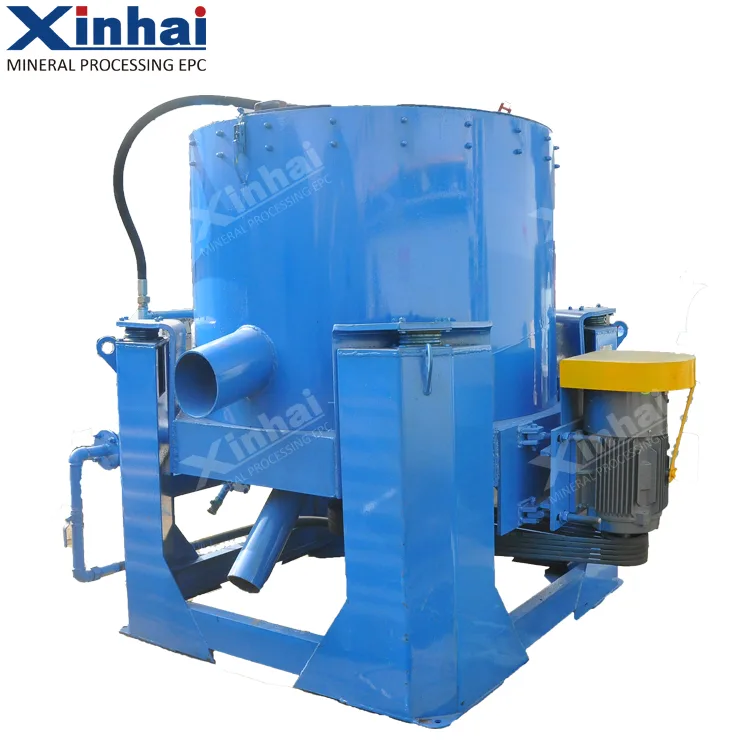
Gravity separation is a method that separates minerals by density difference using gravity and centrifugal forces; it requires no chemical reagents, which keeps environmental and operating costs low. It suits free gold, placer gold, and coarse liberated particles. The knowledge base lists equipment families by particle size: jigging machines for coarse feed, spiral chutes and shaking tables for medium and fine sizes, and centrifugal concentrators such as Knelson-type units for fine particles. A high-grade gravity concentrate can be smelted or further upgraded, while the tails move to flotation or leaching. For smaller operations, a small-scale gold plant design often starts with a gravity circuit because it is simple and fast to install.
Selection variables are not optional. Feed rate, particle size range, feed density, unit area throughput, stroke and frequency, water consumption, and target recovery all change the equipment choice. The gold recovery methods article compares gravity with other routes in more detail.
Flotation and cyanidation: sulphide and fine gold
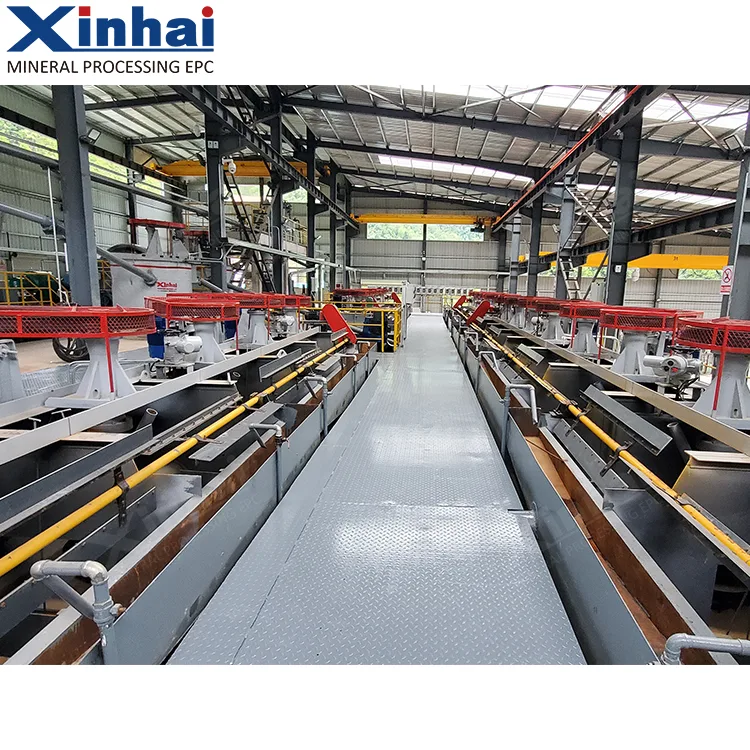
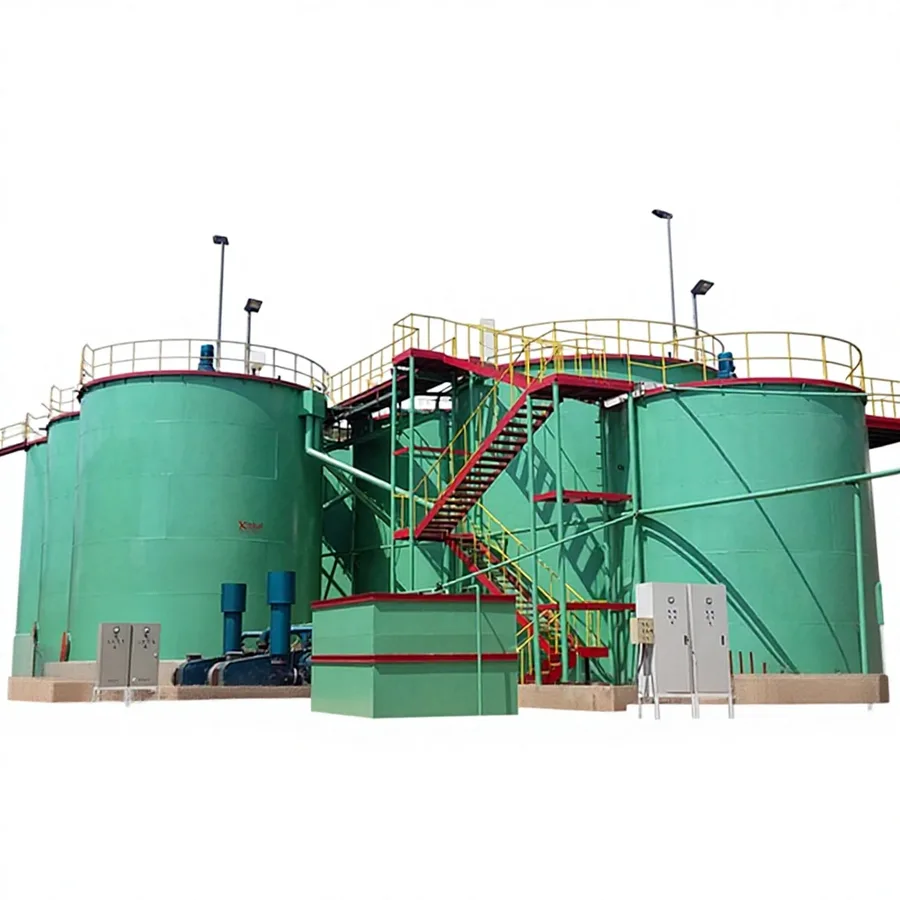
When gold is locked in sulphides or too fine for gravity, you need a chemical route. Flotation recovers gold-bearing sulphides into a concentrate for smelting or further leaching. The gold flotation plant page details the flotation circuit design. Cyanidation then dissolves fine gold from ore or flotation tailings. Carbon-in-leach and carbon-in-pulp circuits dominate. CIL/CIP recovery can reach 99% on suitable ores, but the word 'can' matters: it is a laboratory-measured upper boundary, not a site promise. The gold CIL plant and gold CIL vs CIP pages explain how carbon is managed and why CIP and CIL differ. Cyanide is toxic, and its handling is governed by compliance and safety procedure, not a catalogue. The International Cyanide Management Code is a voluntary industry programme covering production, transport, storage and use of cyanide, with signatory operations certified through third-party audits.
Equipment selection variables from the knowledge base
Equipment selection is not a catalogue exercise; it's a matching problem. The knowledge base groups equipment into gravity, classification and screening families, each with its own variables. The table below condenses the knowledge base notes. It is not a vendor quote; it is a translation of the engineering variables that Xinhai's process engineers consider.
| Equipment family | Selection variables that matter |
|---|---|
| Gravity separation | Density difference, liberation size, particle size range, feed density, unit area throughput, stroke/frequency, water use, recovery target |
| Classification | Cut size, feed pressure and concentration, slurry density, throughput, classification efficiency, overflow fineness, underflow density, wear material, number of parallel units |
| Screening | Aperture size, feed size distribution, throughput, screening efficiency, moisture and viscosity, deck angle, number of decks, screen surface material, wear life |
These variables come directly from the Chinese engineering notes translated for this site. They are the same checks a process engineer uses before selecting a jig, spiral, hydrocyclone or vibrating screen. If your ore is sticky, screening efficiency drops and you may need a larger deck area or a wet screening alternative. If your gold is fine and free, a centrifugal concentrator may beat a shaking table. The ore milling basics page covers how milling and classification interact before gravity or leaching.
One common design mistake is to skip closed-circuit classification after grinding. A hydrocyclone or spiral classifier returns coarse particles to the mill, preventing overgrinding and reducing energy cost. The knowledge base states that classification equipment separates coarse and fine particles by size, settling velocity or airflow difference, and often operates in closed circuit with grinding.
Plant-scale capabilities and equipment limits
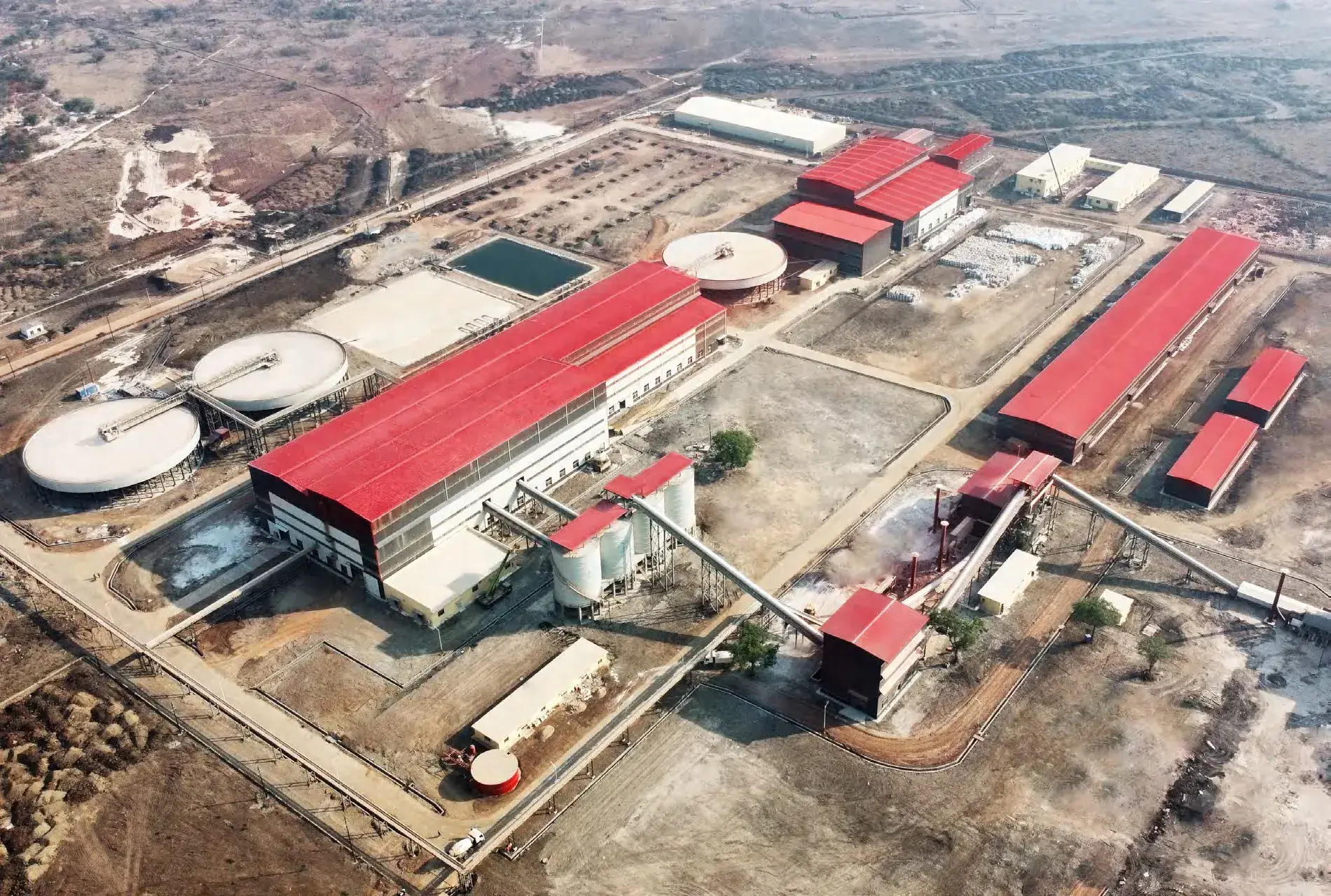
Xinhai operates three manufacturing bases with a combined area of about 110,000 m² and produces more than 1,000 equipment types. The company's published figures state it supports plants up to 50,000 tonnes per day. Large equipment includes ball mills up to 7 m in diameter, flotation cells with a single tank volume of 320 m³, leach tanks of 20 m by 20 m, and thickeners up to 100 m in diameter. These are not catalogue limits for every ore; they are the upper envelope of what the group says it can build.
The manufacturing bases are in China, and the group's design institute holds a Class B metallurgical qualification. That means the design work meets Chinese regulatory requirements for metallurgical engineering, but it does not automatically confer equivalent status in other countries. For international projects, the design team works to standards such as JORC, NI 43-101 and VALMIN. A NI 43-101-compliant design is a design prepared in accordance with the disclosure rules, not a certification. The about page lists the group's structure and capabilities.
If you're planning a specific throughput, the 1,000 tpd gold plant page shows how a mid-sized flowsheet is configured. For larger throughput, 3,000 tpd gold plant covers a different scale.
Project examples and market context
Global gold mine production was an estimated 3,300 tonnes in 2024, up from 3,250 tonnes in 2023, according to the USGS Mineral Commodity Summaries. China was the leading producer in 2025 at around 10 per cent of global output, per the World Gold Council. Those figures matter because they set the demand for concentrator capacity. Xinhai's approved project list includes a 15,000 t/d gold processing EPC in Guinea, a gold mining and processing contracting and operation project in Ghana, and a 4,000 t/d carbon-in-pulp plant in Kyrgyzstan. The Kyrgyzstan gold plant page describes the Kyrgyzstan plant, and Ghana gold plant covers the Ghana operations. These are company-reported projects, not performance guarantees.
If your testwork data is ready, the next step is a process proposal. Use the contact form to send your head grade, throughput target and metallurgical results, and a team will respond with a route comparison. Recovery is the measure of a gold plant, and the right concentrator route starts with measured ore properties.